
Queue Management System in Saudi Arabia: A 2026 Buyer’s Guide
A well-designed queue management system in Saudi Arabia can turn a chaotic waiting room into a calm, measurable, and profitable customer flow. Whether you run a hospital in Riyadh, a bank in Jeddah, or a government service center in Dammam, the way people wait shapes how they feel about your brand. In 2026, digital queuing has moved far beyond a simple ticket dispenser, and choosing the right platform is now a strategic decision.
This guide walks you through how modern queuing works, the features that actually matter, and how to evaluate vendors before you sign. Along the way, we share practical tips drawn from real deployments across the Kingdom.
Why a Queue Management System Matters in 2026
Saudi Vision 2030 has pushed both public and private sectors to raise service standards dramatically. Citizens and customers now expect fast, transparent, and dignified service. Long, disorganized lines directly contradict that expectation.
A digital queuing platform solves this by replacing physical lines with virtual ones. Visitors take a ticket, get a place in line, and are free to sit, browse, or step outside until their turn is announced. The result is shorter perceived wait times and happier customers.
- Higher satisfaction: Clear wait estimates reduce anxiety and complaints.
- Better staff planning: Real-time data shows peak hours and bottlenecks.
- Fairness: First-come, first-served logic removes disputes over who is next.
- Compliance: Audit trails support quality and regulatory reporting.
Core Components of a Modern Queuing Platform
Most systems share a common architecture. Understanding the parts helps you compare offers on a like-for-like basis.
1. Ticketing and Check-In
Customers check in via a kiosk, a QR code, a mobile app, or a receptionist. Mobile and QR check-in surged after 2020 and remain popular because they let people join the queue before they even arrive.
2. Display and Announcement
Digital signage screens and audio calls direct each visitor to the correct counter. Bilingual Arabic and English displays are essential for most Saudi locations.
3. Counter Terminal
Staff use a simple call-next interface to pull the next ticket, transfer a visitor to another service, or mark a no-show.
4. Analytics Dashboard
This is where the real value lives. Managers track average wait time, service time, abandonment rate, and staff productivity. For complex rollouts you may want to bring in dependable specialists who can tune the reporting to your KPIs.
Key Features to Compare Before You Buy
Not every platform is created equal. Use the table below to score vendors on the features that separate a basic ticket machine from a genuine queue management system in Saudi Arabia.
| Feature | Basic System | Advanced 2026 Platform |
|---|---|---|
| Check-in methods | Kiosk only | Kiosk, QR, app, SMS, web |
| Language support | Single language | Arabic + English + more |
| Appointment booking | Not included | Integrated online booking |
| Analytics | Daily counts | Real-time KPIs + forecasting |
| Customer feedback | Manual | Automated post-service survey |
| Integration | Standalone | CRM, ERP, and API-ready |
Industries Getting the Biggest Wins
Digital queuing is now standard across many Saudi sectors. The strongest returns show up where footfall is high and service is transaction-based.
- Healthcare: Clinics route patients by department and priority, cutting overcrowding in waiting rooms.
- Banking: Branches separate teller, advisory, and account services into distinct virtual lines.
- Government: Service centers meet strict citizen-experience targets tied to Vision 2030.
- Telecom and retail: Stores blend queuing with self-service kiosks and digital signage.
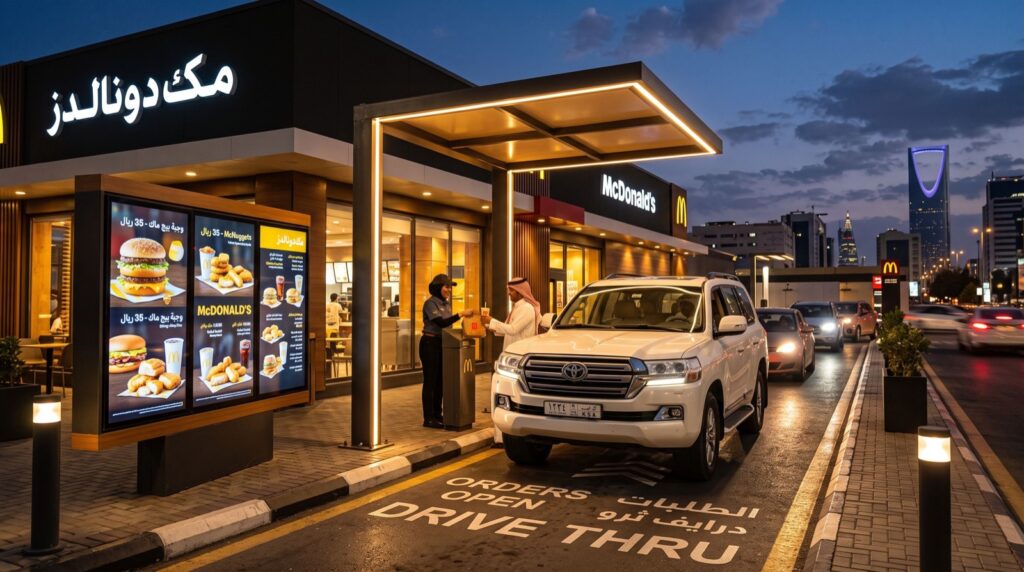
In quick-service settings, queuing often connects to a drive-thru order timer. The same vendors that supply the counter-based platform, such as those offering the queue management system in saudi arabia, frequently bundle scanning hardware too. A rugged reader like the Honeywell Voyager XP 1470g lets staff pull up a ticket or an order in a single scan, tightening the whole flow.
Implementation: A Practical Checklist
From experience, most failed rollouts stumble on planning, not technology. Use this checklist to stay on track.
- Map every service type and the counters that handle it.
- Decide check-in channels before ordering hardware.
- Confirm network coverage for kiosks and screens.
- Set clear KPIs, such as target wait time under 8 minutes.
- Train staff on the call-next and transfer workflow.
- Run a two-week pilot at one branch before scaling.
According to the ISO 10002 guidance on customer satisfaction, structured complaint and feedback handling improves loyalty, and a queuing platform with built-in surveys makes that data easy to capture.
How Much Does It Cost?
Pricing depends on the number of counters, screens, and locations, plus whether you buy on-premise or as a cloud subscription. In 2026, cloud-based per-branch subscriptions are popular because they lower upfront cost and include updates. Expect hardware, software licensing, installation, and an annual support contract as the four main line items.
Frequently Asked Questions
What is a queue management system in Saudi Arabia used for?
It organizes and streamlines customer waiting through digital tickets, displays, and analytics. It is widely used by hospitals, banks, and government centers to reduce wait times and meet Vision 2030 service standards.
Can customers join the queue from their phones?
Yes. Modern platforms support QR codes, mobile apps, SMS, and web check-in, so visitors can take a virtual ticket before arriving and receive alerts as their turn approaches.
Does it work in both Arabic and English?
Reputable systems offer full bilingual Arabic and English interfaces across kiosks, screens, and audio announcements, which is essential for serving a diverse population.
How long does deployment take?
A single branch can go live in a few days, while multi-site rollouts usually run over several weeks, including a pilot phase, staff training, and analytics configuration.
Conclusion
A modern queue management system in Saudi Arabia is no longer a nice-to-have; it is core infrastructure for any organization that serves people in person. By comparing check-in methods, language support, analytics, and integration options, and by following a disciplined pilot-first rollout, you can shorten wait times, empower your staff, and delight your customers in 2026 and beyond. Ready to modernize your waiting experience? Talk to a specialist and start with a single-branch pilot today.